

» Our grandchildren also have the right to enjoy the beautiful nature that our parents gave us «
Something about CCC
Caribbean Coast Conservancy is a non-profit institution that seeks to produce an impact on the conservation of biodiversity and the processes that determine it, on coastal ecosystems in the insular and continental Caribbean and jungle ecosystems within Mexico.
Through the support of programs based on research, education and management of these ecosystems, we provide knowledge, leadership, inspiration and support for the sustainable development of natural resources in the communities of interest, with a solid base of scientific information that facilitates their use. adaptation, resistance and resilience to climate change, fostering alliances between organizations, people and countries, using the Caribbean Flamingo as a symbol, using the flagship species that identify these ecosystems as a symbol.


Services
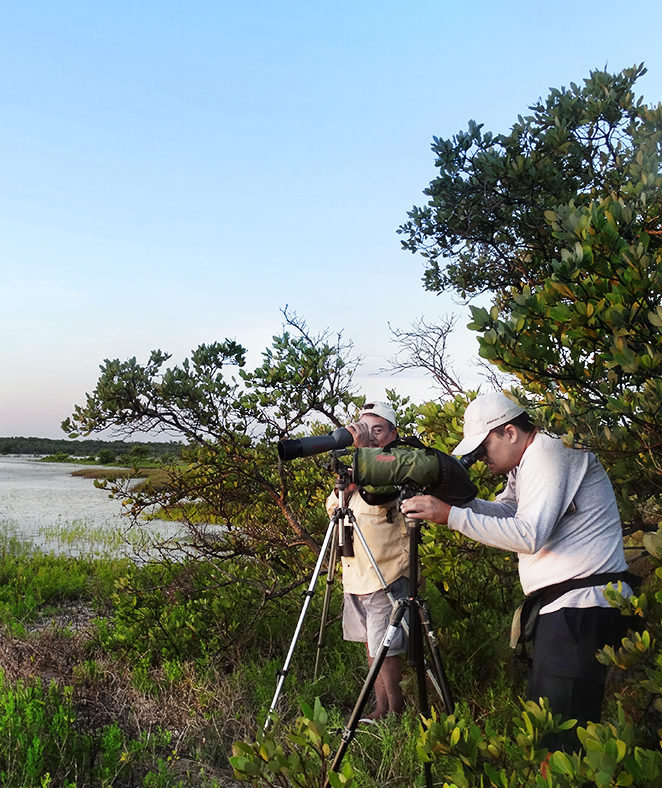
Caribbean Coast Conservancy provides professional services of international quality, ecological research designs applied to management, training in banding and monitoring of marked birds.
Likewise it offers training to biologists in bird and mammal monitoring techniques, consulting services for graduate students in biological sciences, preparation, implementation, monitoring and evaluation of strategic plans for the conservation of bird species at risk and their habitats, as well as sanitation and conservation of bodies of water, solid waste management and recycling, ecotourism and others that contribute to improving the welfare of coastal communities and communities of interest in harmony with the conservation of their natural resources.
Our friends
OUR FRIENDS ARE OUR SAFEST CAPITAL: ONLY HAND IN HAND WITH THEM CAN WE MAKE A DIFFERENCE




Where do we work?
NNiños y Crías A.C.(Kids & Critters) worked for thirteen years conducting with CONANP the study and conservation of the Caribbean flamingo within the Yucatan Peninsula, Mexico, organized under a comprehensive program that consisted of three projects of which, one of them worked in collaboration with other countries. Since 2015 the Flamingo study and conservation program- within Mexico- became conducted by CONANP and in association with the Pedro y Elena Hernández Foundation.
Caribbean Coastal Conservancy's main objective since its inception has been to promote conservation work at the regional level. It is Mexican and based in Yucatan, but its actions for the conservation of wetland birds and marshes or flooded savannas extend to countries such as Cuba, Dominican Republic, Haiti, Bahamas, Colombia, Venezuela, Bonaire, Florida (USA) and some islands of the Lesser Antilles. The scientific arm of the association - the Caribbean Flamingo Conservation Group (GCFC) - established in 2013, works to standardize research on the flamingo, a species that is shared, which means that the measures to be taken for its conservation transcend the framework of any of the countries where it lives.
To this end, the GCFC, made up of a network of specialists with a representative in each country, establishes collaboration agreements with Universities, other Civil Associations and Government Bodies with responsibility and commitment to the Environment.
During the plenary session at the constitution meeting in 2013, five lines of study and fundamental actions were proposed under the consensus of the countries present to follow the next 15 years in order to achieve the objectives of conservation of waterfowl and ecosystems. where most of them live associated with Flamenco.
Why the Flamingo?
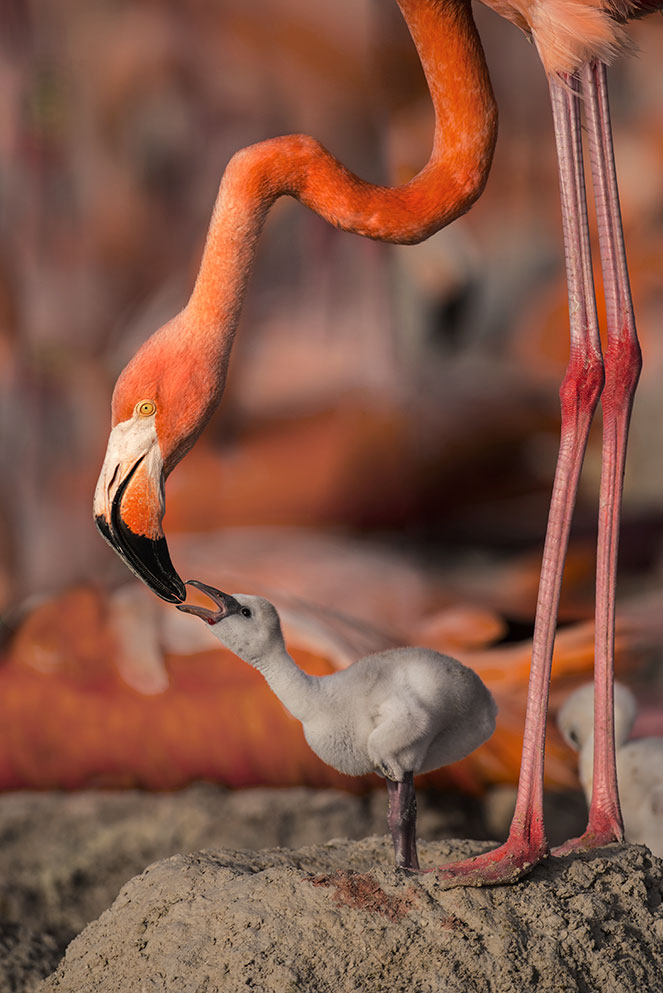
TThe flamingo is the symbol of CCC. The Caribbean is home to more than 500 species of birds, including 172 species that are endemic to the region, i.e., not found anywhere else in the world, and is also the temporary home of more than 150 migratory species. Many of the Caribbean's original wetlands have been destroyed, and those that remain are increasingly encroached upon by tourism development, housing, agriculture or industry. In addition, waterfowl populations are subject to hunting, egg and chick harvesting, and predation by introduced invasive species and affected by pollution. Increased frequency of storms and rising sea levels, due to global climate change, also threaten the health of wetlands and waterfowl, as well as the people who inhabit them.
The flamingo is chosen as our symbol, because of its beauty, mobility, cultural and economic value given its tourist attraction, because there is a wide exchange between the populations of the different countries and because it is the bird par excellence that characterizes the insular and continental Caribbean. When we think of the Caribbean, we think of sun, beaches and these beautiful birds that inhabit its coasts.
The apparent abundance of this species is not such, its current conservation status in many countries requires prompt action for its conservation, which will allow this species to act as a common thread to conserve other birds and the coastal ecosystems where they live.
 English
  Español